Equity and Inclusion
During the 2025–2026 school year, the Equity portfolio strengthened CDSBEO’s system-wide approach to equity, diversity, inclusion, belonging, and human rights through the development of new structures, resources, and opportunities for student and staff voice. Significant work was undertaken to advance the Called to Belong Equity Framework and Equity, Diversity and Inclusion Action Plan, while departments across the Board were supported in developing measurable three-year Equity SMART Goals aligned with system priorities. The portfolio also developed and launched the Staff Equity-Deserving Advisory Network (SEAN), creating a new avenue for staff with lived experience to help inform system-level decisions, and established the Equity and Inclusion Advisory Committee to bring community perspectives more intentionally into the Board’s equity work.
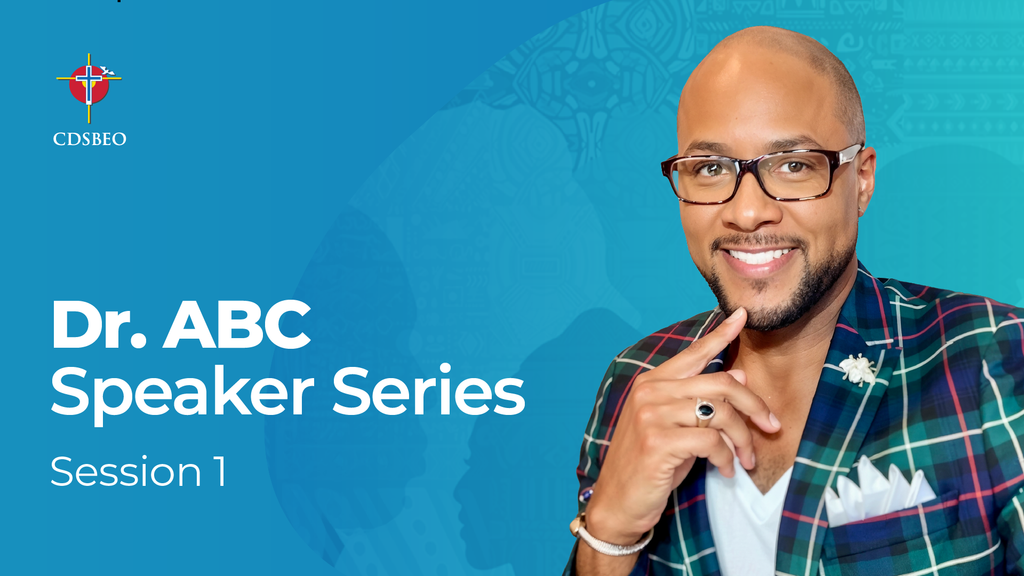
In partnership with the Curriculum and Mental Health departments, the Equity portfolio launched Stop the Hate for Goodness Sake, a system-wide learning initiative led by Dr. Andrew B. Campbell. Age-appropriate student presentations, professional learning for educators, and classroom copies of Dr. Campbell and Larry Swartz’s book supported ongoing reflection and practical action to disrupt hate, address bias and discrimination, and foster welcoming, inclusive learning environments.
Throughout the year, equity work remained closely connected to the experiences of students, families, educators, and school communities. Schools received direct consultation and support related to racism, homophobia, bullying, cultural responsiveness, inclusive language, student belonging, and school climate. Student voice was also intentionally embedded through Student Senate, Black History Month learning opportunities, the Kindness Project, identity-based student initiatives, and discussions about the future development of a board-wide Black Student Association. Together, these efforts supported CDSBEO in moving toward a more coordinated and responsive approach in which equity is understood not as a stand-alone initiative, but as a shared responsibility reflected in policy, practice, relationships, and decision-making.
International Education
The CDSBEO International Education Program experienced significant growth during the 2025-2026 school year, with more than 100 international students enrolled across CDSBEO schools. This increase reflects the continued success of the board’s efforts to provide high-quality academic, cultural, and faith-based learning opportunities for students from around the world. The growing presence of international students enriches classroom experiences and strengthens intercultural understanding within our school communities.
The program’s global reach also expanded considerably, with more than 150 study abroad agencies from 11 countries establishing partnerships with the CDSBEO International Education Program by June 2026. These partnerships have enhanced the board’s international profile and created new opportunities to welcome students from diverse cultural and educational backgrounds.
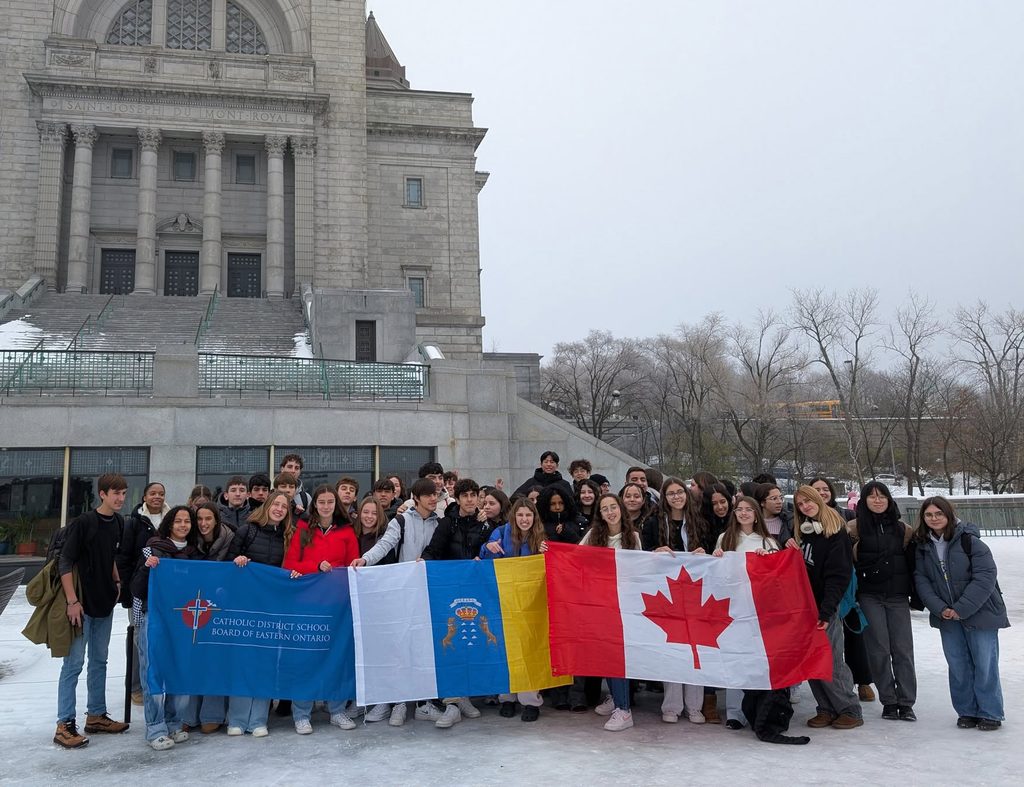
In addition to long-term student enrollment, the 2025-2026 school year saw continued growth in short-term study opportunities. Five international study groups from Japan, China, Spain, Mexico, and Switzerland were welcomed into seven CDSBEO secondary schools. During their visits, students participated in academic programming, cultural exchange activities, and faith-based learning experiences. These exchanges fostered meaningful connections between local and international students while contributing to vibrant, diverse, and globally minded school communities across the board.
Indigenous Education
Throughout the 2025-2026 school year, the Catholic District School Board of Eastern Ontario continued to advance Indigenous Education through meaningful partnerships, authentic learning experiences, language revitalization, cultural programming, student leadership opportunities, and professional learning. Guided by the Indigenous Education Council (IEC) and the Indigenous Education Team, the Board worked alongside First Nation, Inuit, and Métis community partners to create learning environments where Indigenous students can thrive and where all students can deepen their understanding of Indigenous histories, cultures, perspectives, and ways of knowing.
The Indigenous Education Council remained an important advisory body, helping to guide priorities related to Indigenous student achievement and well-being, educator capacity building, leadership development, community engagement, and cultural awareness. Through ongoing collaboration and shared learning, the Council supported the continued growth of Indigenous Education initiatives across the Board.
A significant achievement for the 2025-2026 school year was the successful completion of CDSBEO’s inaugural Grade 9 Kanien’kéha (Mohawk Language) course. The course strengthened students’ connections to language, culture, identity, and community while supporting Indigenous language revitalization efforts. Following the success of the first cohort, the program will be offered at St. Joseph’s CSS and Holy Trinity CSS for the 2026-2027 school year.
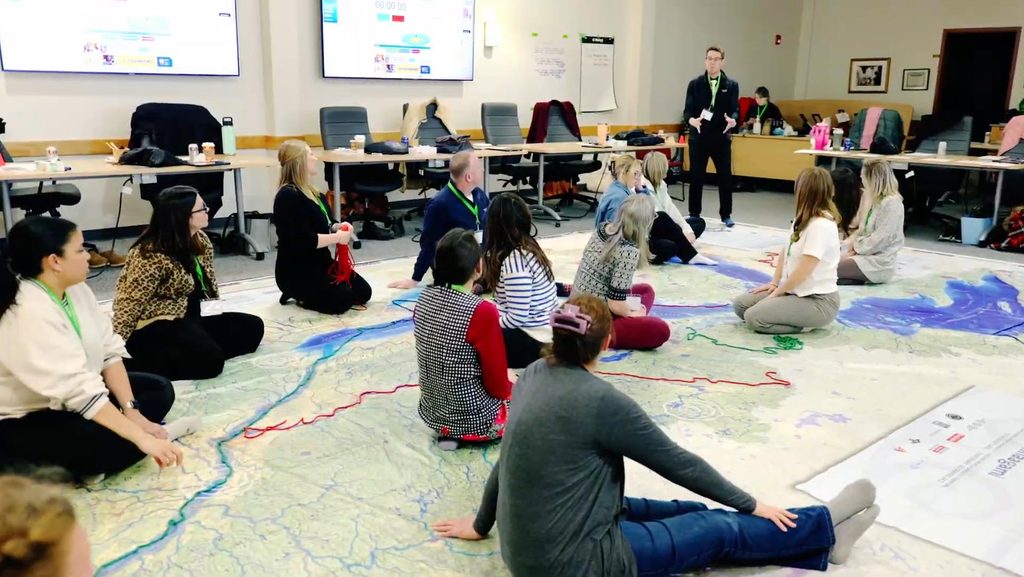
Professional learning opportunities for educators continued to grow. Elementary teachers participated in training focused on the Biinaagami Giant Floor Map, an Indigenous environmental education resource that explores the Great Lakes and St. Lawrence watershed through Indigenous perspectives. This initiative provided practical cross-curricular teaching tools and expanded access to Indigenous-focused resources, with the program now available in 18 CDSBEO schools.
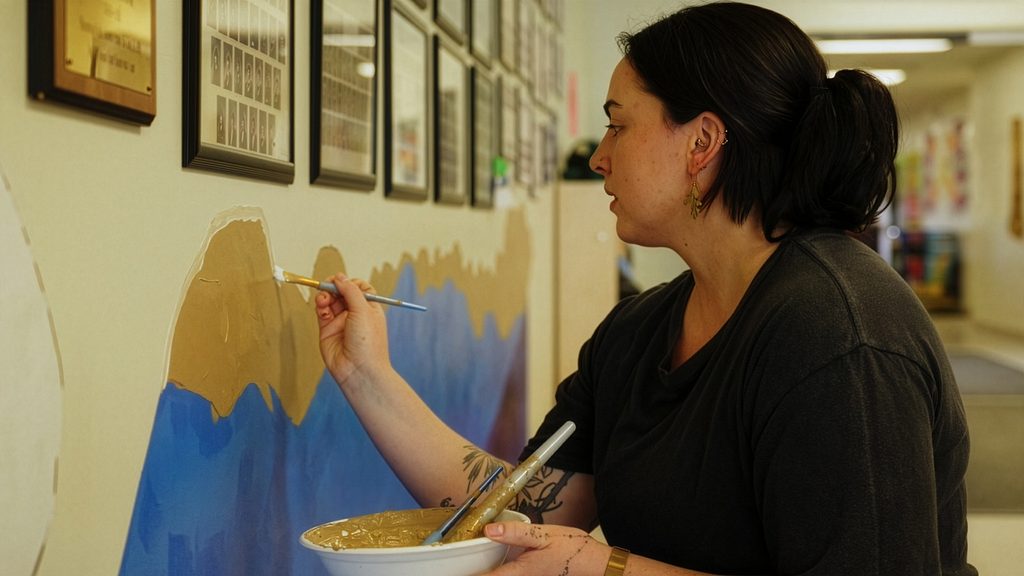
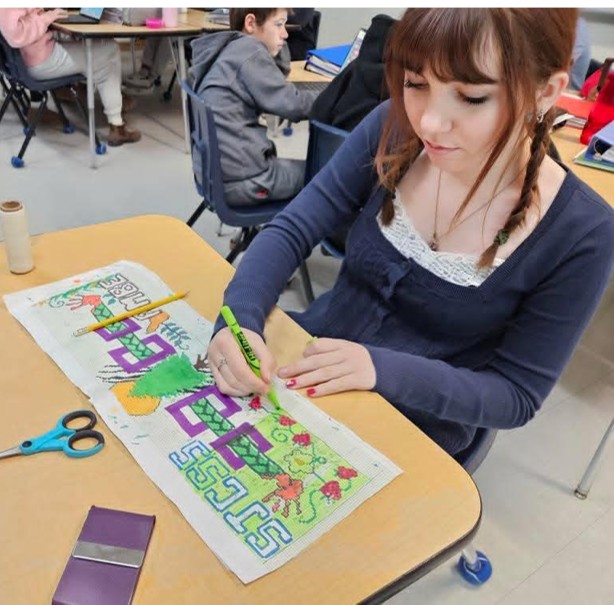
The arts also played an important role in advancing Indigenous Education. Through collaborations with Mohawk artist Katie Francis, several schools created murals celebrating Indigenous culture, language, history, and community relationships. These projects provided meaningful opportunities for students and staff to engage with Indigenous perspectives while creating lasting visual reminders of Indigenous presence and contributions.
Strong community partnerships continued to enrich student learning. CDSBEO graduate and Swampy Cree Nation member Taylor Bird-Isaac shared teachings on culture, identity, resilience, and the Seven Sacred Teachings through classroom visits and presentations. Another highlight was the inaugural Tewa’a:rathon Friendship Games, developed in partnership with the Native North American Travelling College. The event brought together students from CDSBEO and Ahkwesáhsne Mohawk School to learn about and participate in lacrosse, fostering cultural understanding, leadership, relationship building, and a strong sense of belonging.
CDSBEO also experienced continued growth in Indigenous student self-identification. As of June 2026, 600 students had voluntarily self-identified as First Nation, Métis, or Inuit, an increase from 542 students in June 2025. This growth reflects increasing trust, engagement, and connection between Indigenous students, families, and their schools.
These accomplishments demonstrate CDSBEO’s ongoing commitment to Indigenous student achievement, well-being, cultural identity, and educational equity. Through strong community partnerships, authentic learning opportunities, and a continued focus on Truth and Reconciliation, the Board is creating learning environments where Indigenous students feel valued, supported, and empowered, while helping all students develop the knowledge, understanding, and respect needed to contribute to a more just and reconciled future.
Parent Involvement Committee
The Parent Involvement Committee (PIC) continued to play an important role in strengthening family engagement and supporting student success across the Board. The committee met on November 12, 2025, February 9, April 8, and May 26, 2026, providing opportunities for parents, trustees, and staff to collaborate on initiatives that support student achievement, well-being, and Catholic education.
Throughout the year, PIC members received updates on board priorities and engaged in discussions related to student well-being, mental health, faith formation, equity and inclusion, and parent engagement. A significant focus of the committee’s work was the planning and development of the Catholic School Council (CSC) Summit, held on October 27, 2026. Members contributed ideas and feedback to help shape a meaningful and engaging event that will provide Catholic School Council members with opportunities to network, learn, and strengthen family engagement at the local school level.
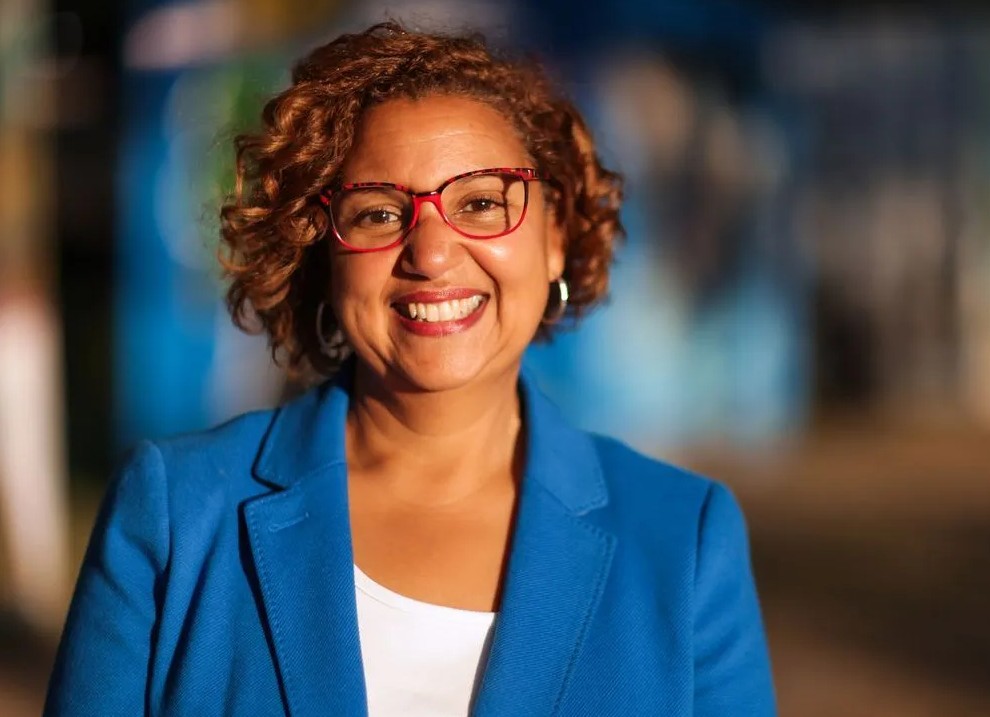
The February meeting featured guest presenter Bernadette Clement, who shared her experiences in public service and community leadership. Her presentation encouraged thoughtful discussion about inclusion, civic engagement, and the importance of fostering welcoming and connected communities where all families feel a sense of belonging.
At the April meeting, Selina Mackie, Mental Health Lead, provided an overview of CDSBEO’s mental health and well-being initiatives, highlighting the supports and resources available to students, families, and staff. Her presentation reinforced the importance of promoting positive mental health, building resilience, and strengthening partnerships between schools and families to support student success.
Student Senate
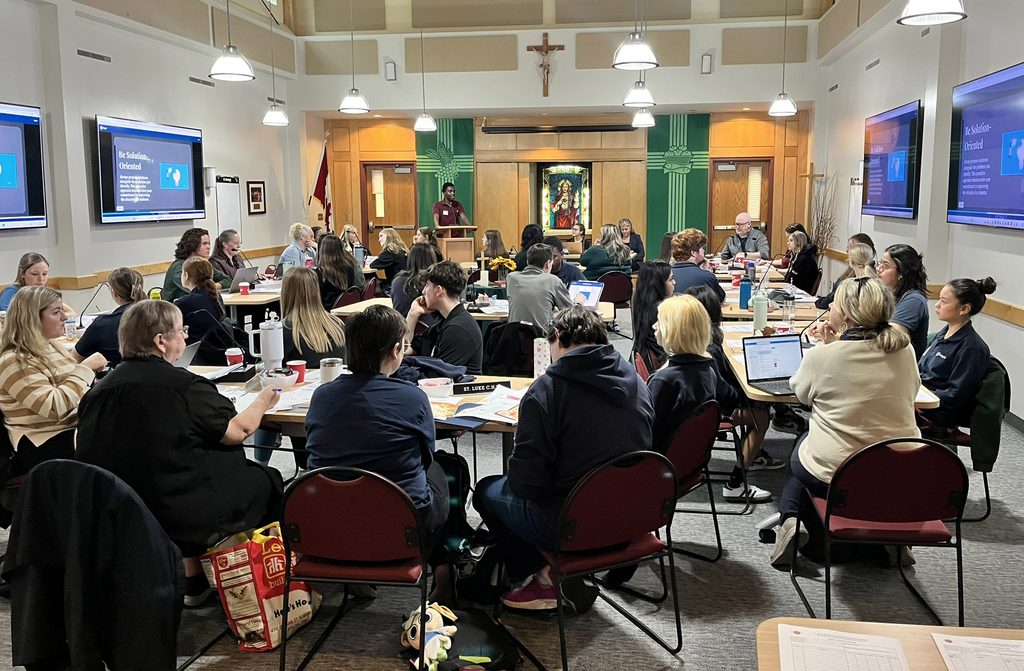
The 2025-2026 CDSBEO Student Senate brought together Senators from all 10 high schools to champion student voice across the Board. Co-facilitated by Student Trustee Junior Mulanda and Associate Student Trustee Heidi Baumann, the sessions provided opportunities to discuss successes, challenges, and perspectives from their school communities.
Across four meetings, Senators explored leadership, equity and inclusion, and the role of student voice in shaping school culture and climate. Junior Mulanda’s opening presentation encouraged students to see themselves as connectors between peers, staff, and administration, with listening at the heart of effective leadership. Senators also strengthened their understanding of equity, diversity and inclusion, inclusive leadership, and the responsible use of AI, including fairness and academic integrity.
Senators brought their learning back to their schools through enhanced snack programs, Mental Health Week initiatives, increased participation in Relay For Life, inclusion and community-building activities, and enhanced Earth Day programming, connecting student leadership with issues that mattered to their peers.
A February Student Action Gallery Walk celebrated work across schools and allowed Senators to exchange feedback and ideas. Through mixed-school Action Exchange Circles, students shared successful approaches and discussed challenges. Senators also examined school-level EQAO student survey data to better understand student experiences.
Over the year, the Student Senate strengthened partnerships with principals and built a Board-wide network of student leaders. Senators also contributed to emerging conversations about AI in learning. Their work brought CDSBEO’s vision of inspiring students “to grow, believe, act, and hope in an ever-changing world” to life through active, faith-rooted student leadership.