Mental Health
In 2025-2026, several parent/caregiver learning opportunities were delivered to support family mental health. The mental health team facilitated four in-person sessions of safeTALK, an internationally recognized suicide prevention program, to parents/caregivers, providing an opportunity for certification at no cost. In addition, several virtual learning opportunities were provided throughout the year for parents/caregivers focusing on evidence-based topics including emotion focused coaching, navigating ADHD, and anxiety. Virtual tours of By Your Side, an online parent resource hub created by School Mental Health Ontario, were also offered. The hub provides access to information, tip sheets, and webinar recordings on various mental health topics.
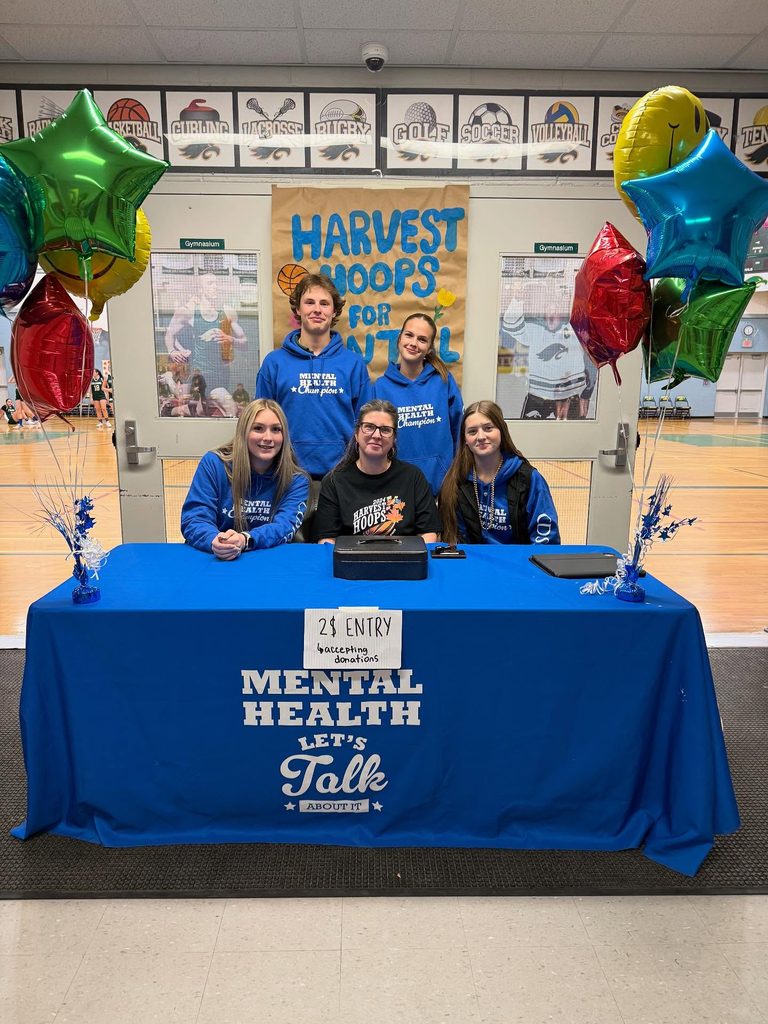
During Mental Health Week, several high schools participated in a cannabis and vaping awareness initiative where 358 students in grades 7 to 12, and 29 teachers, engaged in interactive games and activities to increase informed and healthy choices.
In July, a new suite of user-friendly mental health resources was created by CDSBEO teachers for CDSBEO teachers. The Kindergarten to Grade 8 resource packages are organized by division and include two lessons per month that align with the new Board Spiritual theme. Available in both English and French on the Connect intranet website, these resources support the integration of mental health promotion and practices into everyday classroom learning across CDSBEO.
The Early Years
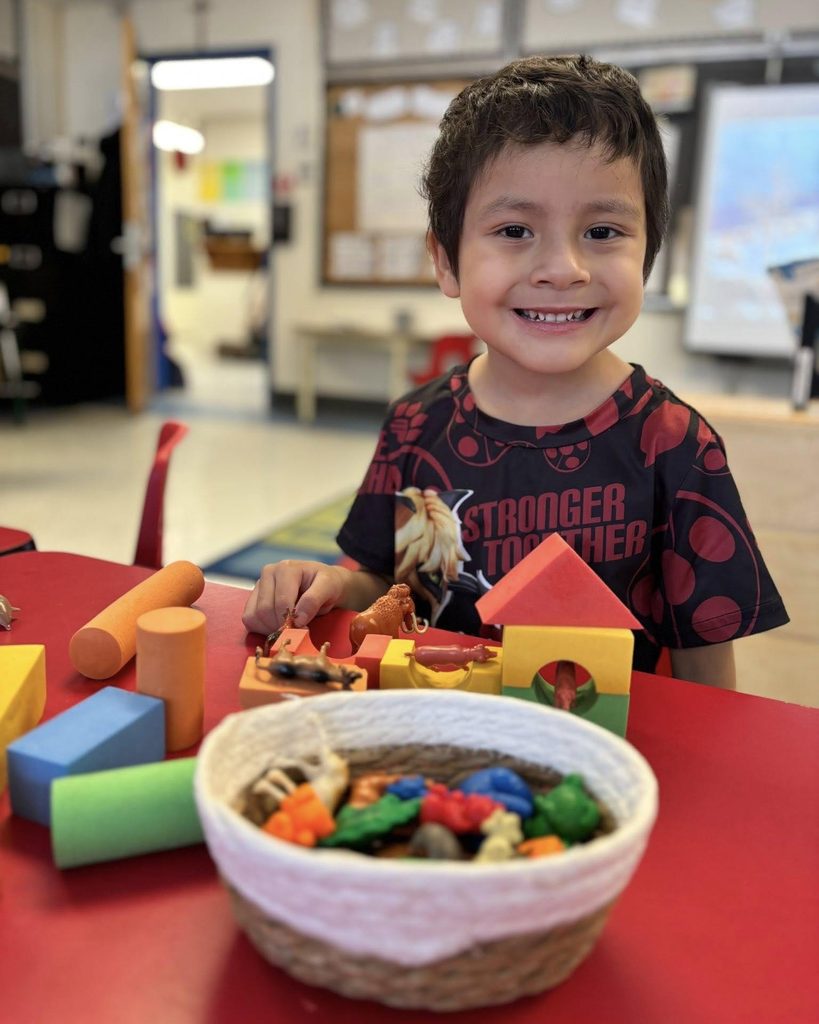
CDSBEO’s Early Years initiatives continue to support strong transitions to school, family engagement, and inclusive learning environments for our youngest learners. Through the annual Welcome to Kindergarten initiative, Kindergarten families received resource bags that encouraged inquiry-based learning, early literacy, and faith development through the book I Am.
Throughout the 2025-2026 school year, Registered Early Childhood Educators participated in targeted professional learning focused on relationship-based practice, social-emotional development, ethical standards, and collaborative approaches to supporting children and families. These learning opportunities strengthened educator capacity to create nurturing and responsive learning environments.
In partnership with childcare providers, Consolidated Municipal Service Managers (CMSMs), community agencies, and the Ministry of Education, CDSBEO continued to advance its Early Years Leadership Strategy. Key accomplishments included ongoing assessment of childcare needs, strengthened partnerships to support childcare growth across the region, and enhanced transition planning for students entering Kindergarten, particularly those requiring additional supports. These efforts helped ensure that children and families experienced a welcoming, inclusive, and successful start to their educational journey.

Well-Being: Staff Wellness
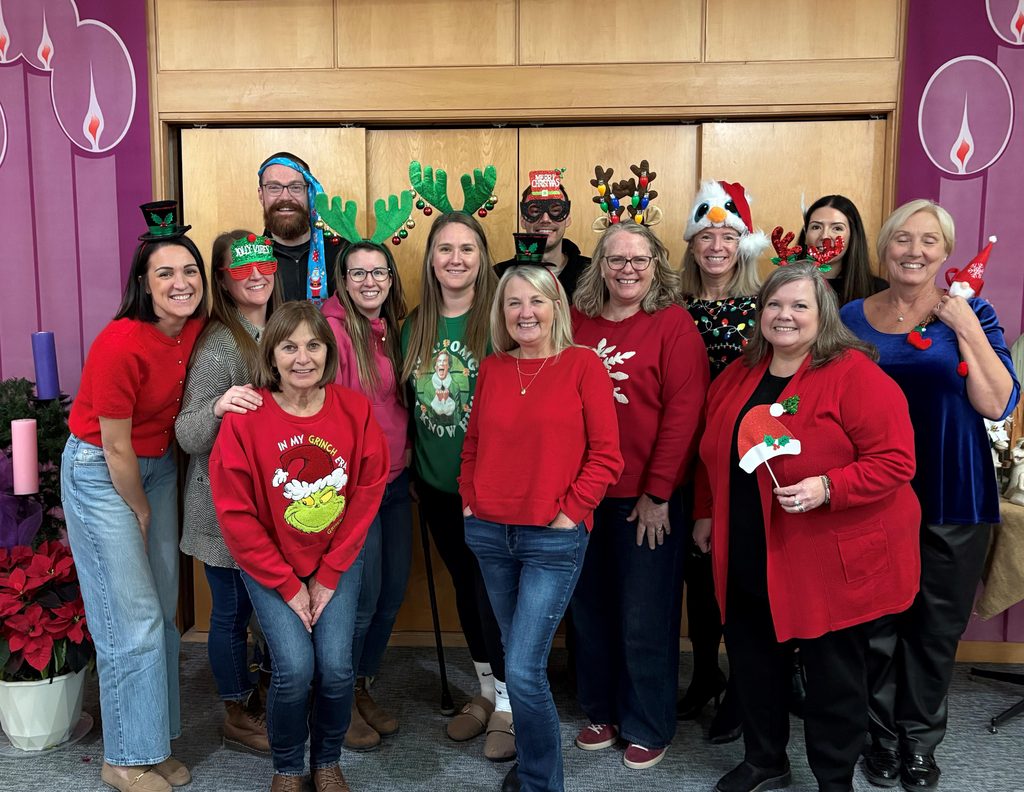
During the 2025-2026 school year, CDSBEO continued to strengthen its commitment to employee well-being through the expansion of its Employee Mental Health and Wellness Program. Guided by the principles of prevention, promotion, and workplace support, the Board focused on creating a healthy, inclusive, and supportive work environment where employees continue to feel valued and empowered to thrive. The Board’s Employee Wellness Advisory Committee met throughout the year to provide feedback, review wellness initiatives, discuss staff wellness needs, and support the development of resources and programming designed to enhance employee well-being.
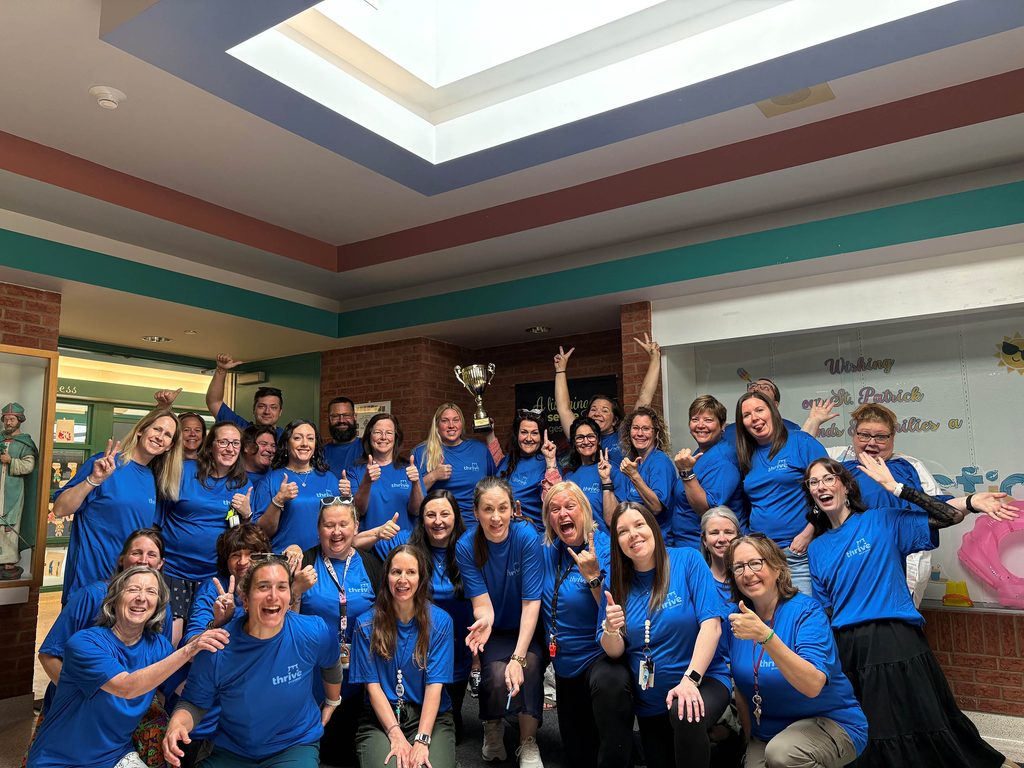
A significant milestone was the launch of the Thrive@CDSBEO Employee Wellness Campaign. This board-wide initiative promoted employee wellness across the dimensions of physical, emotional, spiritual, social, and professional well-being. The campaign included the revision and distribution of an Employee Wellness Handbook, the introduction of Wellness Hippos as visual reminders of the importance of employee mental health and wellness, and a system-wide Employee Wellness Challenge designed to encourage staff engagement and connection. Communication materials, presentations, and an introductory video were shared with employees to increase awareness of available supports and foster a culture where wellness conversations are encouraged and supported.
The Employee Wellness Challenge engaged schools, departments, and board office teams in a variety of activities designed to promote well-being, connection, and engagement. Through initiatives focused on mind, body, and soul, staff participated in wellness, social, charitable, and team-building activities throughout the year. The challenge encouraged employees to prioritize their well-being while strengthening relationships and fostering a positive workplace culture across the system. Each year the Employee Wellness Cup will be awarded to the school that earns the most points from their various wellness initiatives.
Professional learning and support remained a key focus throughout the year. Leadership training in supporting employees in the workplace, resiliency workshops, and mental health awareness initiatives were offered to enhance understanding of employee mental health and to equip leaders with tools to support staff effectively. In addition, the Board continued to promote the Employee and Family Assistance Program (EFAP) and other wellness supports, ensuring employees had access to confidential resources and services to support their personal and professional well-being.
Collectively, these initiatives represented a significant investment in creating a workplace culture that prioritizes wellness, psychological safety, and staff engagement. Through ongoing collaboration, education, resource development, and staff-led wellness activities, CDSBEO continued to foster a work environment where employees are supported in their efforts to thrive both personally and professionally.
Professional Learning
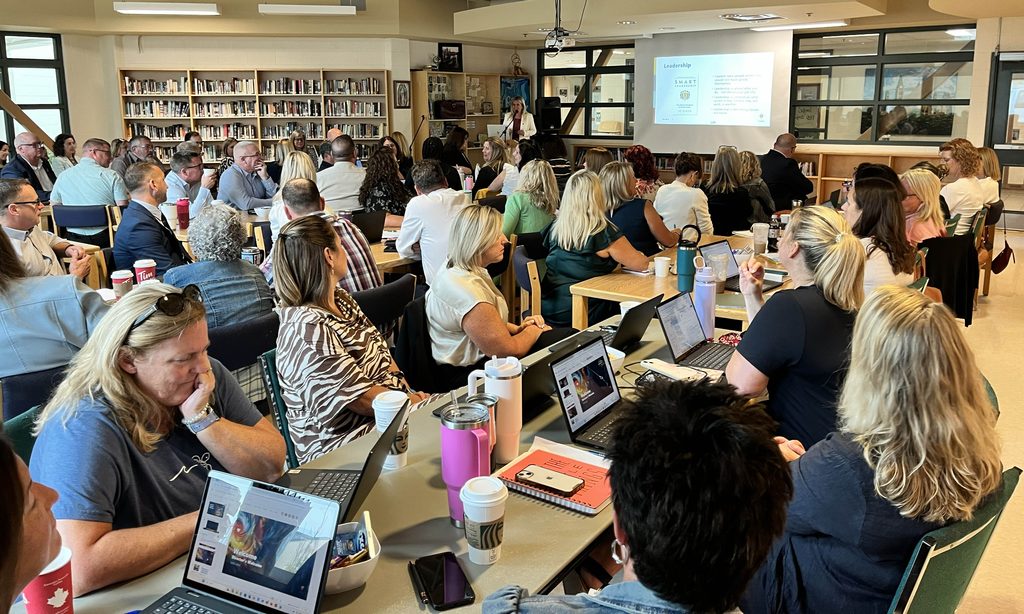
Throughout 2025-2026, CDSBEO invested in professional learning to strengthen instructional practice, student achievement, well-being, and Catholic identity. Professional Activity Days, workshops, conferences, collaborative networks, and job-embedded coaching supported staff in responding to evolving student needs and system priorities.
Teaching, assessment, and curriculum implementation remained key areas of focus. Educators received targeted learning in mathematics, literacy, early reading intervention, and high-impact instructional practices, while beginning teachers accessed orientation, mentoring, and the New Teacher Induction Program. Educators supporting multilingual learners strengthened their knowledge of STEP and inclusive programming. Adult and continuing education staff developed their knowledge of Prior Learning Assessment and Recognition, while French as a Second Language educators strengthened their practice through Common European Framework of Reference learning, DELF certification, and professional networks.
Digital learning explored the responsible use of generative artificial intelligence, including Microsoft Copilot, and its implications for instruction, assessment, governance, and organizational practice. Staff also received support in classroom technology and Brightspace, while cybersecurity learning addressed phishing, social engineering, AI-related risks, privacy awareness, legislation, and organizational preparedness.
Equity, inclusion, human rights, and belonging were embedded throughout professional learning, with staff exploring culturally responsive pedagogy, equitable assessment, bias, trauma-informed practice, and preventing hate and discrimination.
Professional learning in Special Education and Mental Health strengthened staff capacity to support inclusive and consistent practices, including Individual Education Plans, assistive technology, Universal Design for Learning, transition planning, mental health literacy, suicide prevention, and crisis intervention.
Faith formation and Catholic leadership development supported religious education, pastoral planning, sacramental preparation, chaplaincy networks, and leadership development. Indigenous Education learning deepened staff understanding of Indigenous histories, perspectives, cultures, contemporary realities, and reconciliation. Across these priorities, coaching, school-based and virtual learning, professional networks, and interdepartmental collaboration connected professional learning with daily practice and strengthened capacity across the system.
Community Partnerships & Programs
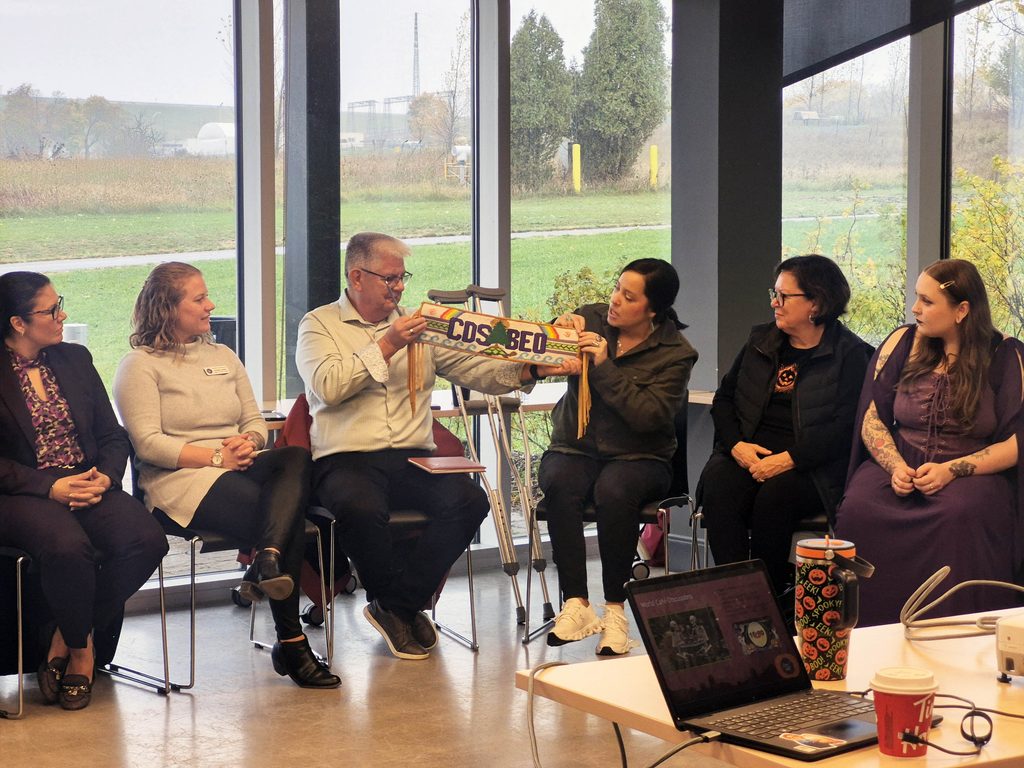
Throughout 2025-2026, CDSBEO strengthened partnerships with families, community organizations, service providers, post-secondary institutions, employers, and industry partners to support student achievement, well-being, belonging, and future pathways.
Collaboration with Special Education Advisory Committee member organizations and community agencies helped students and families access rehabilitation, mental health, and other supports. These partnerships strengthened coordinated service delivery, supported successful transitions, and helped meet diverse learning, developmental, physical, and mental health needs.
Partnerships with employers, industry, post-secondary institutions, and training providers expanded experiential learning and pathway opportunities. Through OYAP, cooperative education, SHSM, Dual Credit, and Experiential Learning, students gained workplace experience, industry certifications, mentorship, career exploration, and apprenticeship training.
Collaboration with families, childcare providers, community agencies, and school councils supported students from their earliest transitions into school and throughout their educational journeys. Parent engagement and community partnerships helped schools respond to the needs of diverse learners and strengthen connections with families.
Community partnerships also supported equity, inclusion, and belonging by bringing community perspectives and lived experience into student and staff learning. Initiatives encouraged cultural identity, human rights, student voice, leadership, kindness, and welcoming school environments.
Partnerships further supported French-language education and educator development, including collaboration with the University of Ottawa’s Faculty of Education to provide professional learning, mentorship, and connections with future French educators.
Across the system, these relationships brought students, families, educators, and communities together while expanding opportunities and strengthening the supports available to students.
Financials
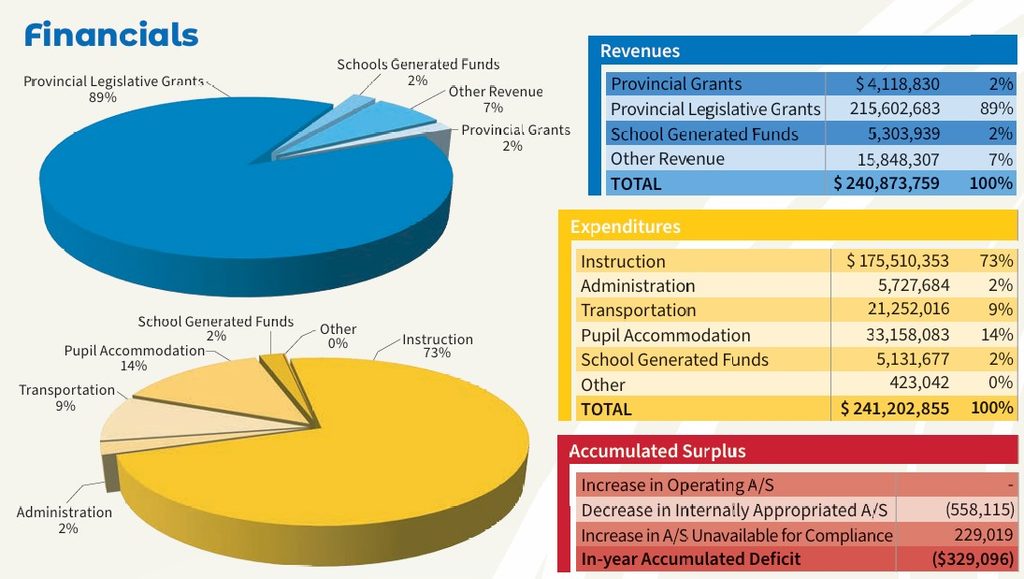
During the 2025-2026 fiscal year, CDSBEO continued to experience enrolment growth, reaching 14,117 full-time-equivalent students and slightly exceeding revised estimates. The Board reported total revenue of $246.1 million, approximately 84 per cent of which was provided through Ministry of Education grants.
Total expenditures for the year were $245.8 million, with salaries, wages, benefits, student transportation, and facilities representing the largest areas of expenditure. Higher-than-projected costs for temporary replacement staffing and Workplace Safety and Insurance Board expenses were offset by lower staffing expenditures and reduced spending in areas such as staff development, supplies and services, computer repairs, and other operating expenses.
These results enabled CDSBEO to maintain a balanced financial position while preserving internally appropriated reserves designated to support future software and computer device costs.
Capital Projects
Throughout 2025-2026, CDSBEO continued to invest in capital projects that respond to enrolment growth and support safe, healthy, and welcoming learning environments. This work supports the To Nurture priority of the 2025-2030 Multi-Year Strategic Plan and the Board’s commitment to aligning capital resources with the needs of students, staff, and growing Catholic school communities.
New Catholic Elementary School in Kemptville
In May 2026, CDSBEO received Ministry of Education approval and funding for the construction of a new Catholic elementary school in Kemptville, responding to continued enrolment growth and accommodation pressures in North Grenville. Approved through Phase 2 of the Ministry’s 2025-2026 Capital Priorities Program, the project will include a 306 pupil-place elementary school and an integrated four-room child care centre with 73 child care spaces. Total approved Ministry funding for the project is $18.8 million, including Capital Priorities and Child Care Capital funding.
The new school will provide additional permanent learning spaces for the growing community and support access to Catholic education, early learning, and child care for families in North Grenville. With provincial approval and funding in place, the Board began moving forward with the next stages of the project in accordance with Ministry requirements.
School Additions in Carleton Place and Russell
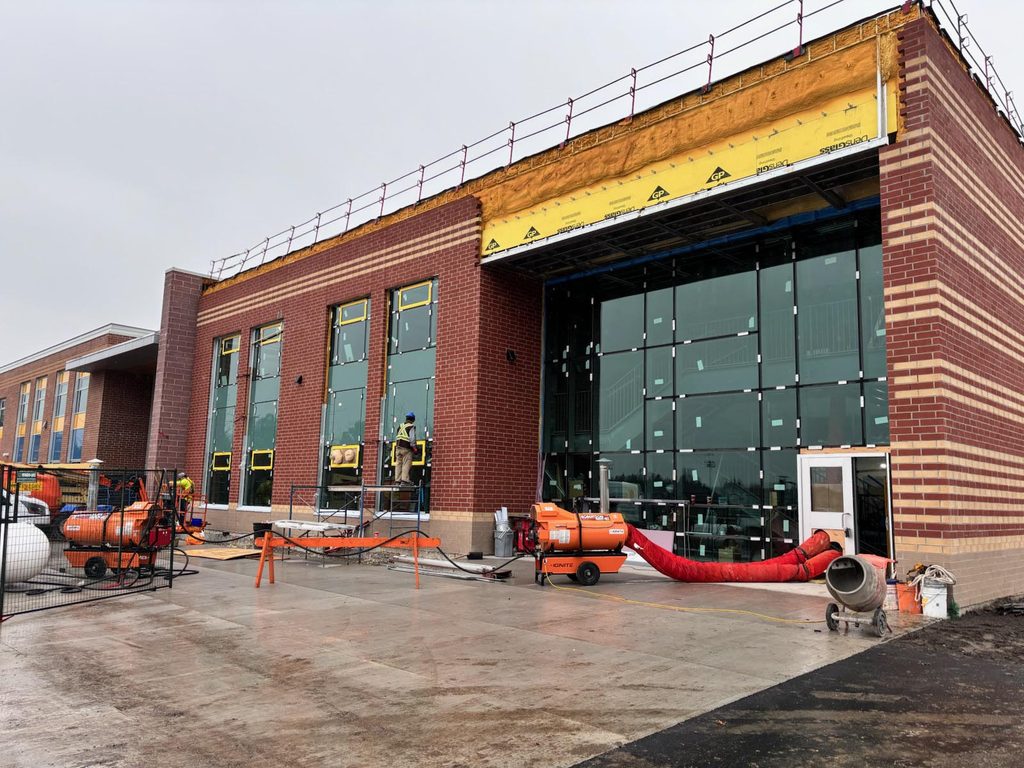
Notre Dame CHS new addition for 230 permanent pupil places.
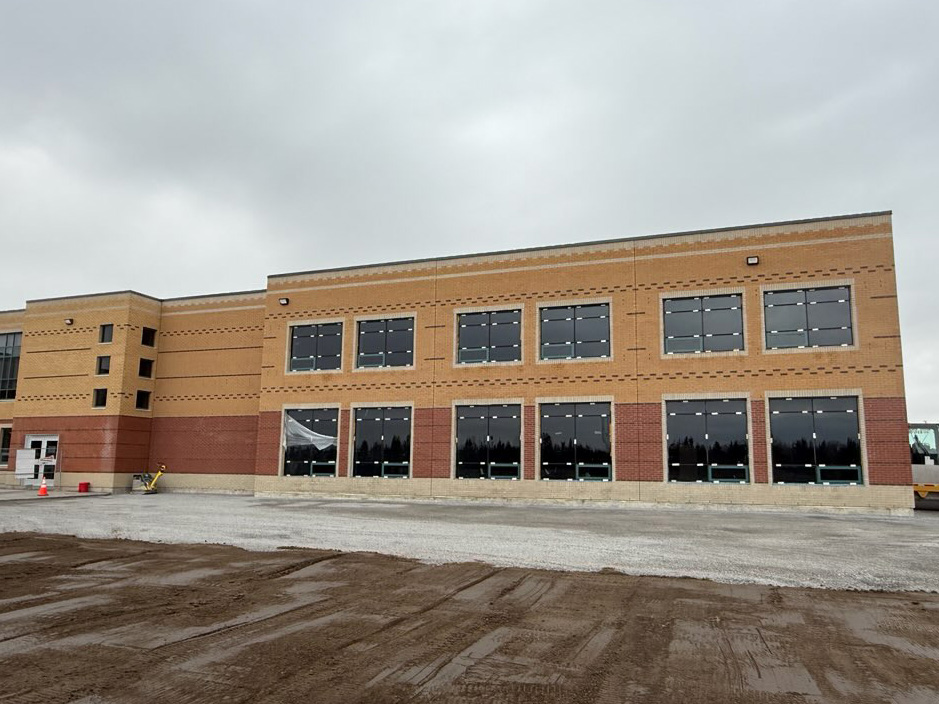
St. Thomas Aquinas CHS new addition
for 230 permanent pupil places.
Work also continued to advance significant school additions at Notre Dame Catholic High School and St. Gregory Catholic School in Carleton Place, and St. Thomas Aquinas Catholic High School in Russell. The projects are helping the Board respond to continued enrolment growth and provide additional permanent classroom spaces in these communities.
At Notre Dame Catholic High School, plans moved forward for a ten-classroom addition providing 230 permanent pupil places. Originally approved for $4.34 million in provincial funding, the project received an additional $1.4 million in Ministry funding during 2025-2026.The addition is scheduled for completion in January 2027.
At St. Thomas Aquinas Catholic High School, work progressed on a ten-classroom addition providing 230 permanent pupil places. Initially supported by $5.34 million in provincial funding, the project received an additional $1.3 million in Ministry funding during 2025-2026. The addition is scheduled for completion in January 2027.
At St. Gregory Catholic School, work continued on a seven-classroom addition and internal renovations, providing 164 new permanent pupil places. Following a request from the Board for additional funding, the Ministry increased its project commitment from $4.61 million to $7.19 million.
St. Mother Teresa Catholic School Addition
The 2025-2026 school year also marked the completion of an important expansion at St. Mother Teresa Catholic School in Russell. The new six-classroom addition, providing 138 permanent pupil places, opened to students in January 2026.
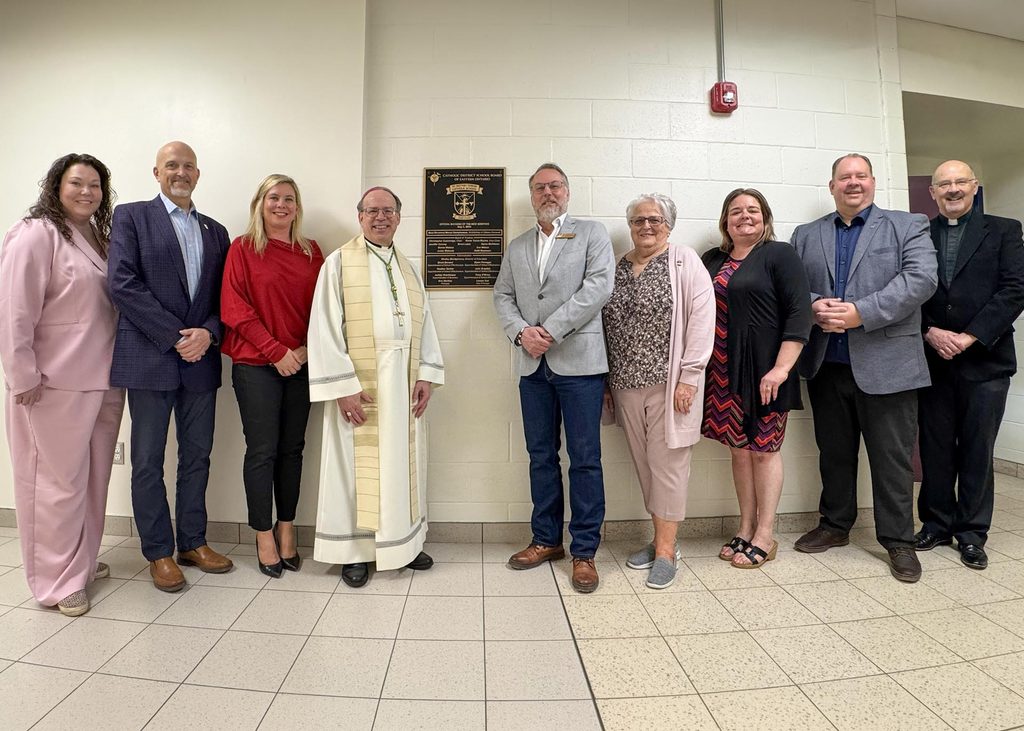
In May, the school community celebrated the official blessing of the new addition, bringing together students, staff, project partners, and community representatives to recognize this important milestone. Archbishop Marcel Damphousse, joined by Father John Whyte, blessed the commemorative plaque and each of the new classrooms.
Together, these capital investments reflect CDSBEO’s continued commitment to responding to enrolment growth, planning responsibly for the needs of its communities, and creating safe, welcoming, and modern learning environments where students can learn, grow, and thrive.