
Student Learning
During the 2025-2026 school year, CDSBEO continued to strengthen literacy and mathematics instruction through evidence-based assessment, targeted intervention, professional learning, and responsive classroom practices.
In literacy, Kindergarten to Grade 2 students participated in universal reading screening using Acadience Learning Online, providing educators with timely information to guide instruction and intervention. The Early Literacy Consultant and Reading Intervention Team supported foundational reading and small-group intervention, while the Empower Reading Program expanded to all elementary schools to increase access to intensive reading support.
In mathematics, facilitators supported 11 Priority Schools in implementing the Math Achievement Action Plan through collaborative planning, assessment, professional learning, and intervention. More than 600 diagnostic assessments in Priority Grade 3 and 6 classrooms helped identify learning needs and inform targeted supports. Professional learning emphasized high-impact practices, tiered instruction, and foundational mathematics skills.
Students were also supported in preparing for provincial assessments, including Grade 3 and 6 EQAO, Grade 9 Mathematics, and the Ontario Secondary School Literacy Test, with regular opportunities to build familiarity with assessed skills and question formats.
In French as a Second Language, DELF assessment, cultural learning opportunities, and continued investment in the Common European Framework of Reference supported language development, engagement, and retention.
Support for Multilingual Language Learners also continued to grow. Professional learning, STEP assessments, and direct collaboration with educators strengthened classroom supports for multilingual learners and promoted greater consistency with Ministry expectations across schools.
Special Education
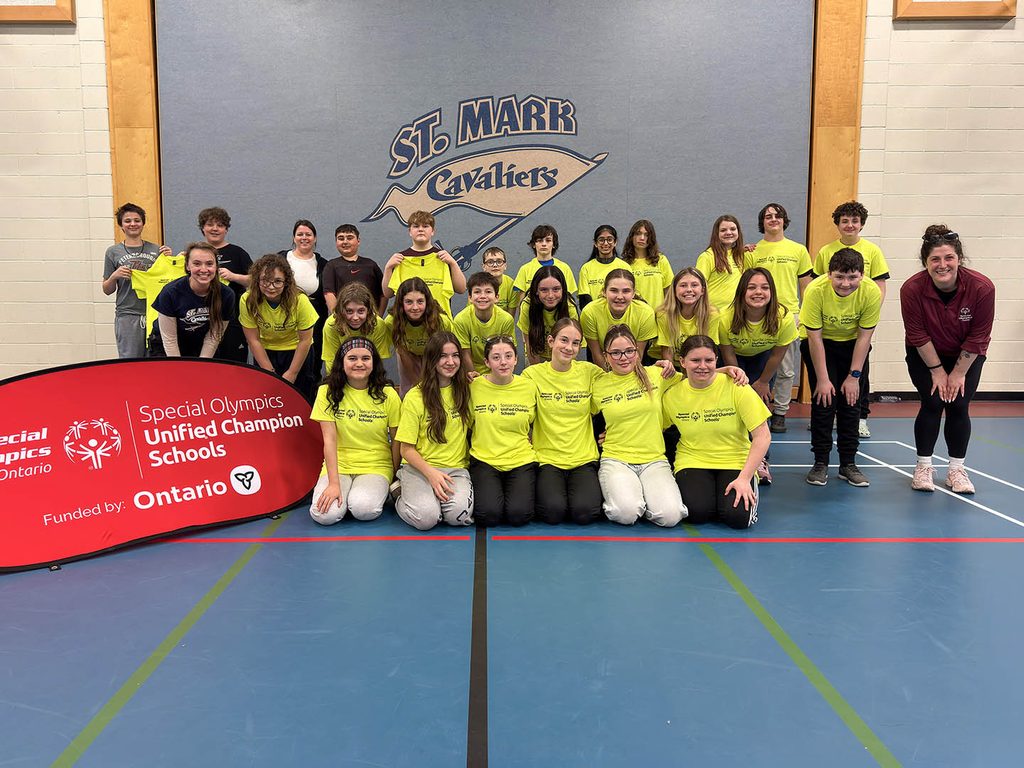
CDSBEO believes every child is created in the image of God and deserves meaningful opportunities to learn, grow, and participate fully in the school community. Throughout 2025-2026, the Special Education team continued to support the unique needs of learners through targeted programming, professional learning, and collaboration with families and community partners.
Staff capacity was strengthened through professional learning in Applied Behaviour Analysis, early reading screening and intervention, academic and social-emotional programming, and Behaviour Management Systems certification.
To support early literacy, Reading Intervention Teachers screened Kindergarten to Grade 2 students throughout the year, helping educators identify needs and provide targeted support. The Empower Reading program was also expanded to all elementary schools, increasing access to intensive literacy intervention.
Transition planning remained an important focus. CDSBEO co-facilitated two Transition Fairs for secondary students, families, and school teams, connecting them with community agencies and supports as students prepared for adulthood. Special Education Classroom Teachers also participated in professional learning to strengthen transition planning across schools. The Summer Transition Program supported more than 50 students with diverse learning needs at five schools, helping them become familiar with the school environment while developing social-emotional skills.
The Special Education Advisory Committee continued to provide an important connection between the Board and community partners, offering advocacy, expertise, and insight that helped strengthen programs and services for students.
Experiential Learning and OYAP
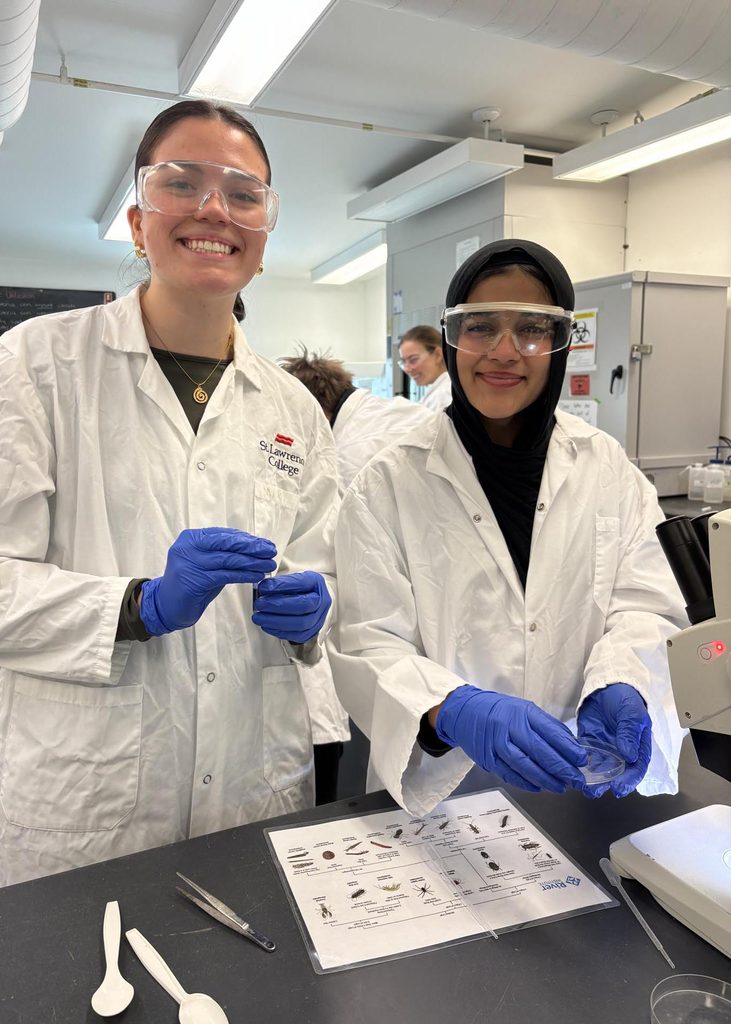
During the 2025-2026 school year, Experiential Learning programs at CDSBEO continued to provide students with hands-on learning, career exploration, and meaningful connections to community and industry partners. Students explored skilled trades through practical activities and new virtual reality simulations, while Career Launch and myBlueprint supported students in Grades 7 and 8 as they explored interests, pathways, and future opportunities.
Entrepreneurship programming expanded through school-based initiatives that gave students opportunities to develop products, prepare budgets, create marketing plans, and participate in community showcases. These experiences strengthened creativity, financial literacy, collaboration, and customer service skills.
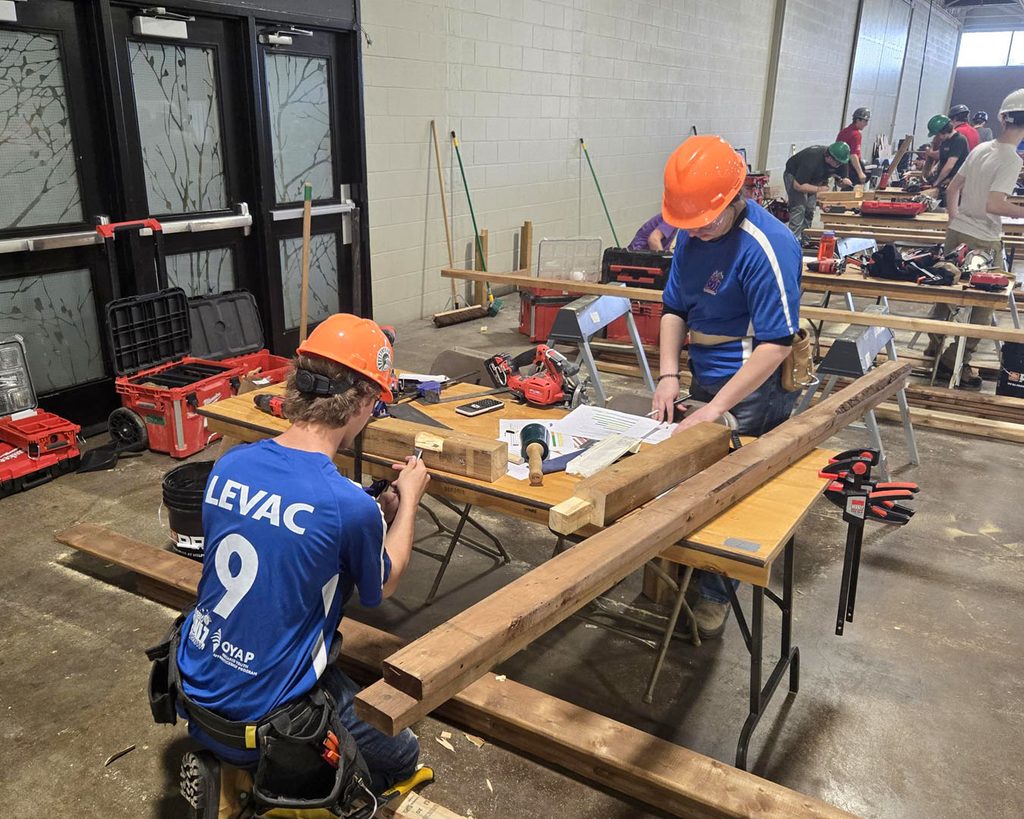
The Ontario Youth Apprenticeship Program continued to connect students with skilled trades and apprenticeship pathways. More than 400 female students participated in Women in Trades events, hearing from industry professionals and CDSBEO graduates. Skilled Trades Summer Camps for Young Women also provided students in Grades 6 to 8 with hands-on experience in automotive technology, welding, and carpentry.
Students further developed workplace skills through employer forums, career fairs, community projects, and the Eastern Ontario SKLZ Competition, where more than 250 students applied their learning in a range of skilled trades and technology areas.
Dual Credit and apprenticeship programs also supported pathway planning. More than 143 students participated in Dual Credit programming through Algonquin College and St. Lawrence College, while students completed Level 1 apprenticeship training in several trades. These experiences allowed students to earn credits, gain post-secondary experience, and develop the practical skills needed for successful transitions to apprenticeship, college, and the workplace.
Specialist High Skills Major
During the 2025-2026 school year, the Specialist High Skills Major (SHSM) program continued to grow, with 730 students participating in 27 programs across eight sectors at CDSBEO’s 10 secondary schools. This marked an increase from 672 students in 2024-2025. Through sector-focused courses, cooperative education, certifications, reach-ahead experiences, and sector-partnered activities, students developed practical skills and explored pathways connected to their interests and future goals.
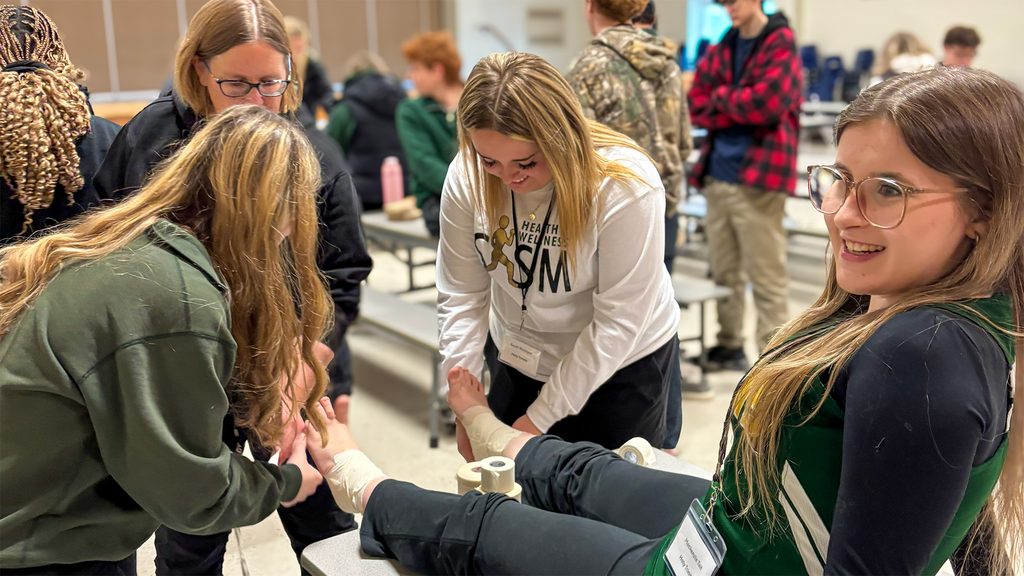
Students participated in a wide range of hands-on learning opportunities throughout the year. The annual Health and Wellness Fair enabled 140 students to earn three SHSM certifications through workshops led by community and industry professionals. Additional learning included CPR and First Aid training, financial literacy through Enriched Academy, aviation career exploration at Ottawa International Airport and airline facilities, and a drone activity for Business SHSM students. New and enhanced learning spaces, including the fitness room at St. Mary Catholic High School, further supported authentic, sector-specific learning. These experiences strengthened students’ confidence, workplace readiness, and awareness of post-secondary and career pathways.
French As A Second Language
During the 2025-2026 school year, the French as a Second Language portfolio supported the CDSBEO Multi-Year Strategic Plan by strengthening educator capacity, enhancing student achievement, and promoting engagement in French language learning.
Student participation and success continued to grow, with more than 200 students undertaking the DELF assessment across two examination sessions, 55 students participating in the Quebec City experiential learning trip, and targeted EQAO schools receiving additional support through Voilà Learning French tutoring programs.
Professional learning opportunities enhanced instructional practice through CEFR and Neurolinguistic training for NTIP educators, participation in the OMLTA conference, DELF certification for staff, and expanded access to system-wide French language resources through Smash Education. Cultural identity and student engagement were further enriched through celebrations of la Journée Franco-Ontarienne and presentations by Franco-Ontarian artists, athletes, and community leaders, helping students strengthen their connection to French language and culture.
Critical Thinking
During the 2025–2026 school year, CDSBEO launched a focused critical thinking initiative to strengthen students’ ability to analyze information, evaluate evidence, ask thoughtful questions, and make informed decisions. From February to May, 21 schools participated in the initiative. Ready-to-use, age-appropriate lesson plans were developed for Kindergarten to Grade 12 with the goal of supporting every classroom in explicitly teaching critical thinking and fostering independent learning, creativity, and problem-solving.
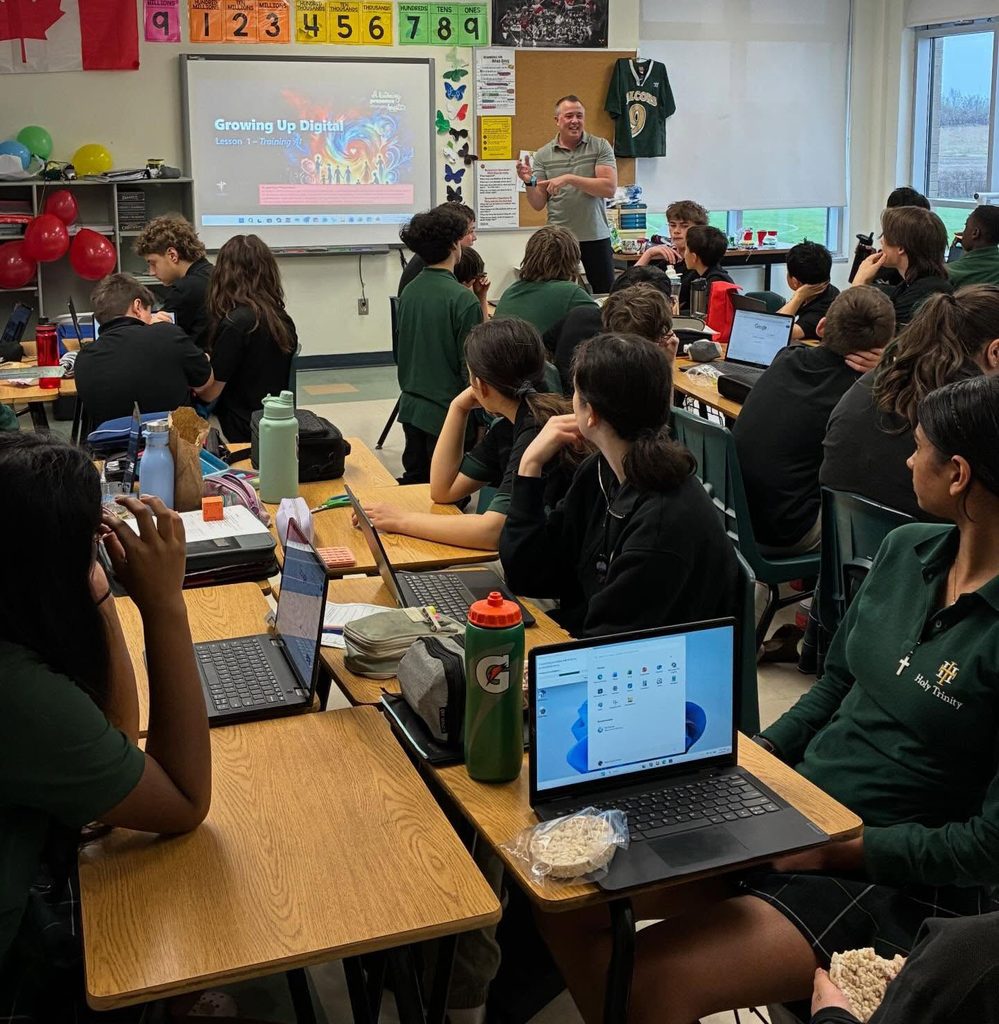
Critical thinking was also embedded within the board’s work in digital and artificial intelligence literacy. Resources and lessons based on the SIFT method supported students in investigating online information, evaluating the credibility of sources, recognizing bias, and thoughtfully reviewing AI-generated content. Together, these initiatives helped educators build consistent opportunities for students to think critically, communicate their reasoning, and make responsible decisions when engaging with information in both digital and classroom environments.
Artificial Intelligence
Throughout the 2025–2026 school year, the Learning Technologies Department built educator capacity through professional learning on Canva, Microsoft Copilot, Wayground, and other digital tools. Following the board’s adoption of Wayground, educators received introductory and subject-specific training to support its use in the classroom. The department also co-led secondary professional learning on assessment in the age of AI, providing practical resources such as AI disclosure agreements and an AI-use scale for assignments.
Additional initiatives included AI Literacy Day resources; school visits focused on the SIFT method and evaluating information and AI-generated content, and the continued promotion of CDSBEO’s Generative AI Guidelines. Regular AI Committee meetings brought together representatives from across the Board to support governance, share emerging practices, and promote responsible AI implementation.
A board-wide software review improved efficiency by identifying redundant and underutilized applications. Collectively, these initiatives enhanced educator capacity, strengthened digital literacy, and advanced the responsible use of technology in support of student learning and board priorities.